The camp begins
The university dates the camp’s start to 2018.
Early leadership. Shared work. A project’s later record.
We led and co-organized Vidvapath in its early days.
The project brings engineering students and community members together around water access in Nan. Chulalongkorn University describes it as the Witsawapat Engineering Camp, working with Chetawan Village in Na Noi district. Its case study records the project’s later work, including weirs, water distribution and solar-powered pumping.
Our early involvement and the university’s later record are distinct parts of the project’s history.
The university dates the camp’s start to 2018.
The Huai Nam Phia weir is described in the university account.
Ta Nam distribution and the Huai Tang Ho system are recorded.
The university reports solar-powered pumping, a learning center and Rakkaew recognition.
Project history from Faculty of Engineering, Chulalongkorn University .
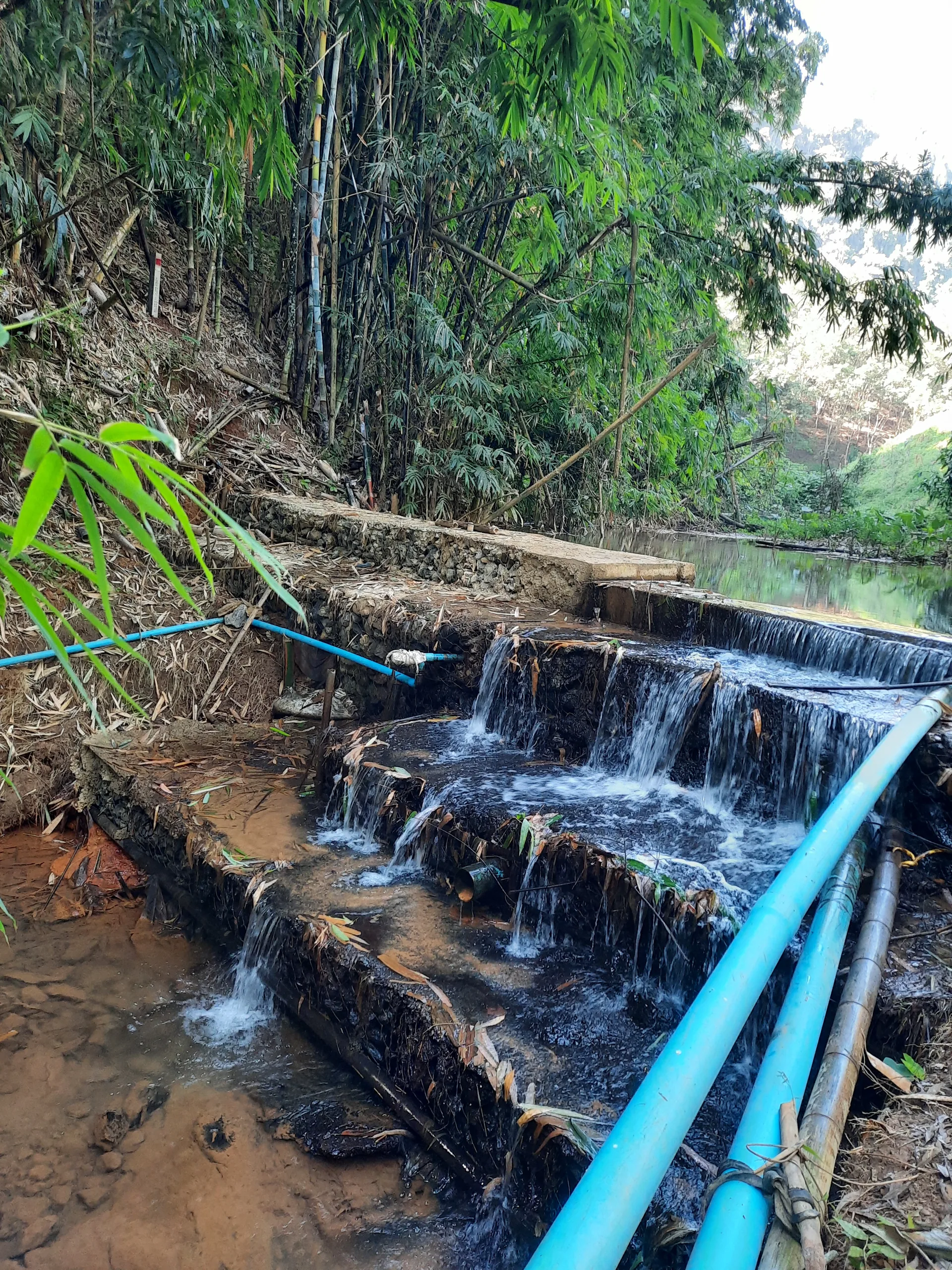
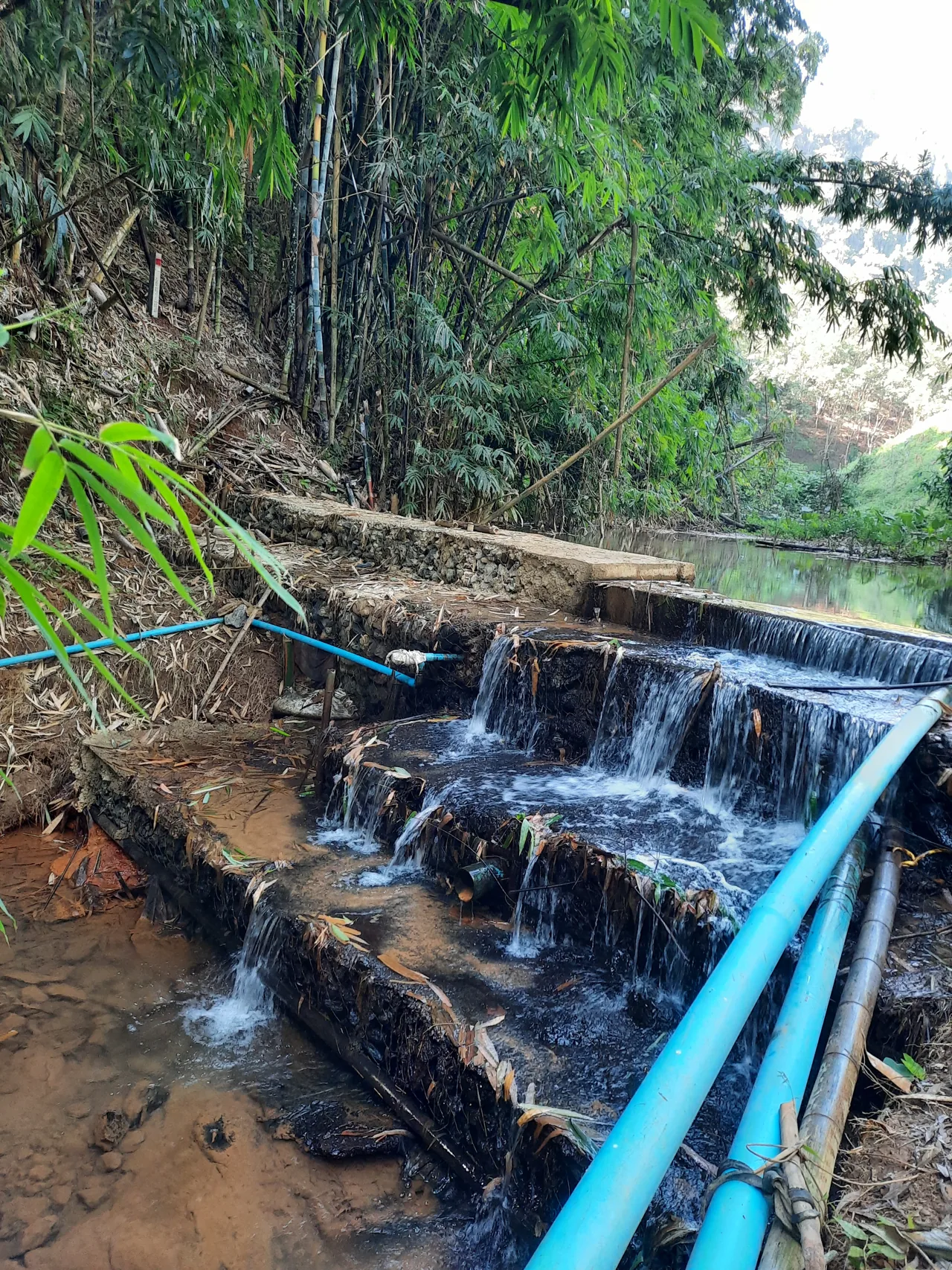
Huai Tang Ho weir and distribution system, 2022.
Huai Tang Ho weir, 2022; approximate service area.
2023 Rakkaew Foundation National Exposition: University Sustainability Showcase.
These figures describe later project work. Water-service coverage does not measure avoided burning, emissions savings or PM2.5 reductions. Areas served by different systems are not added because their overlap is unknown.
Source and intervention history02 / Field archive
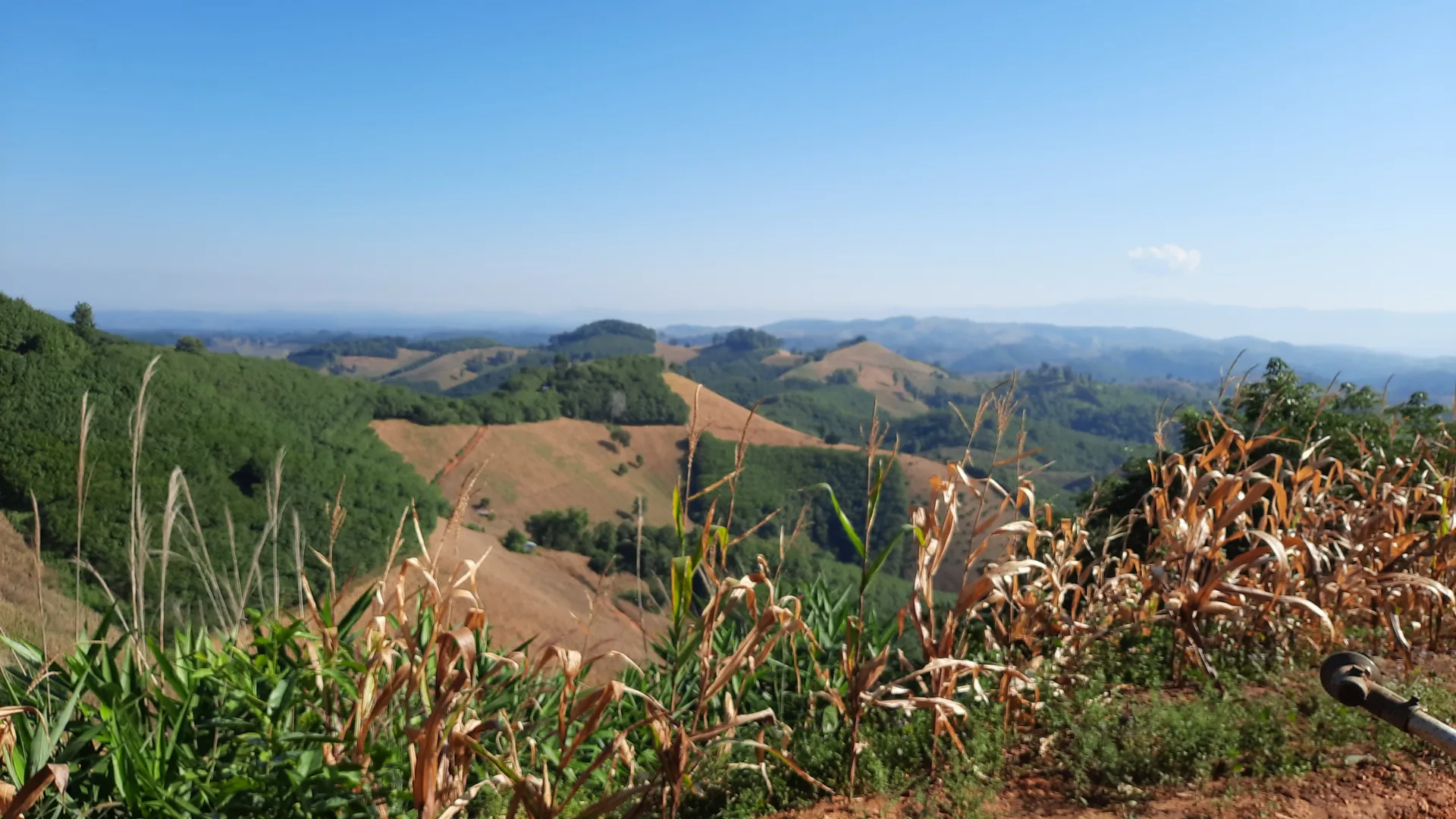
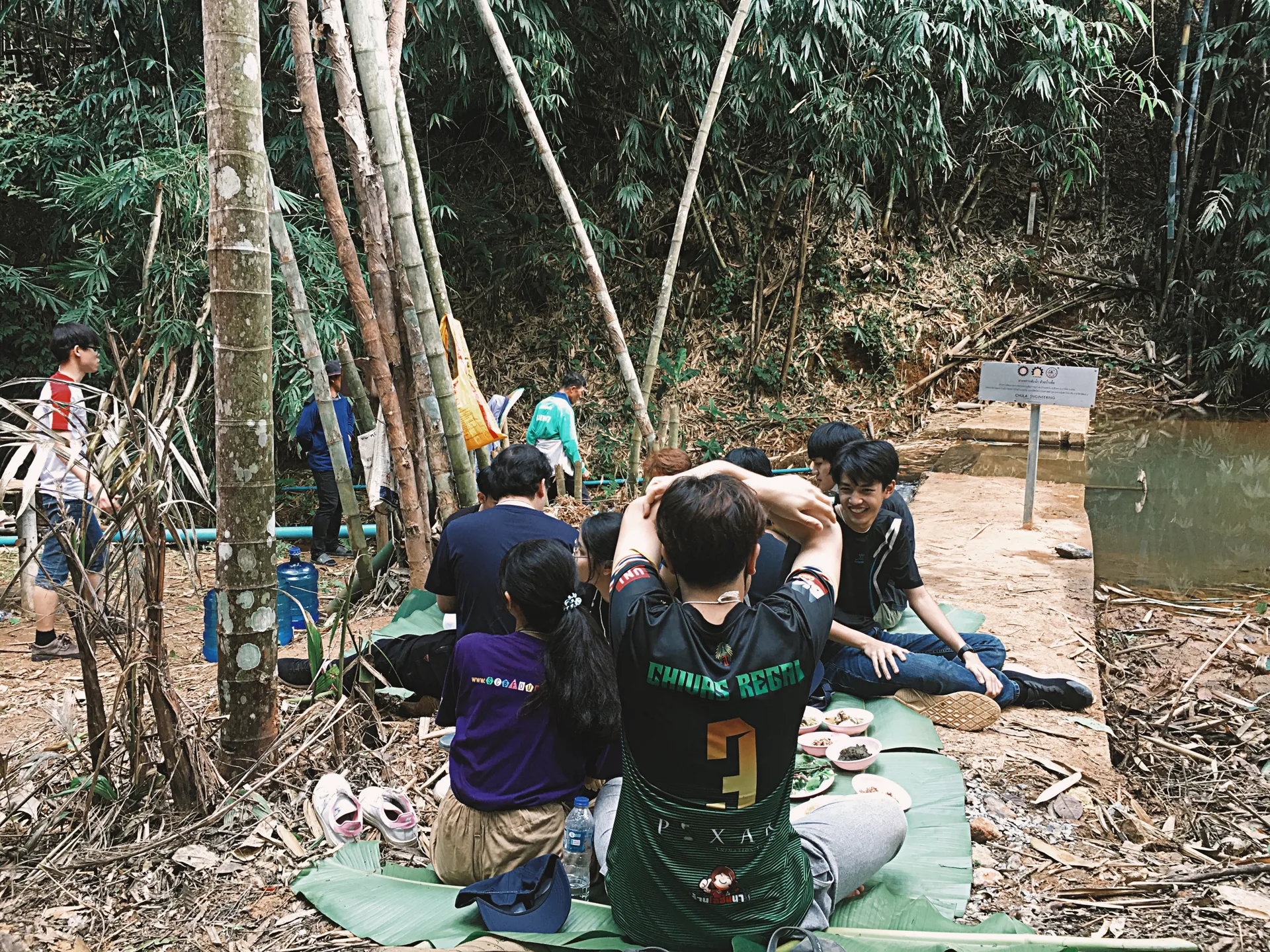
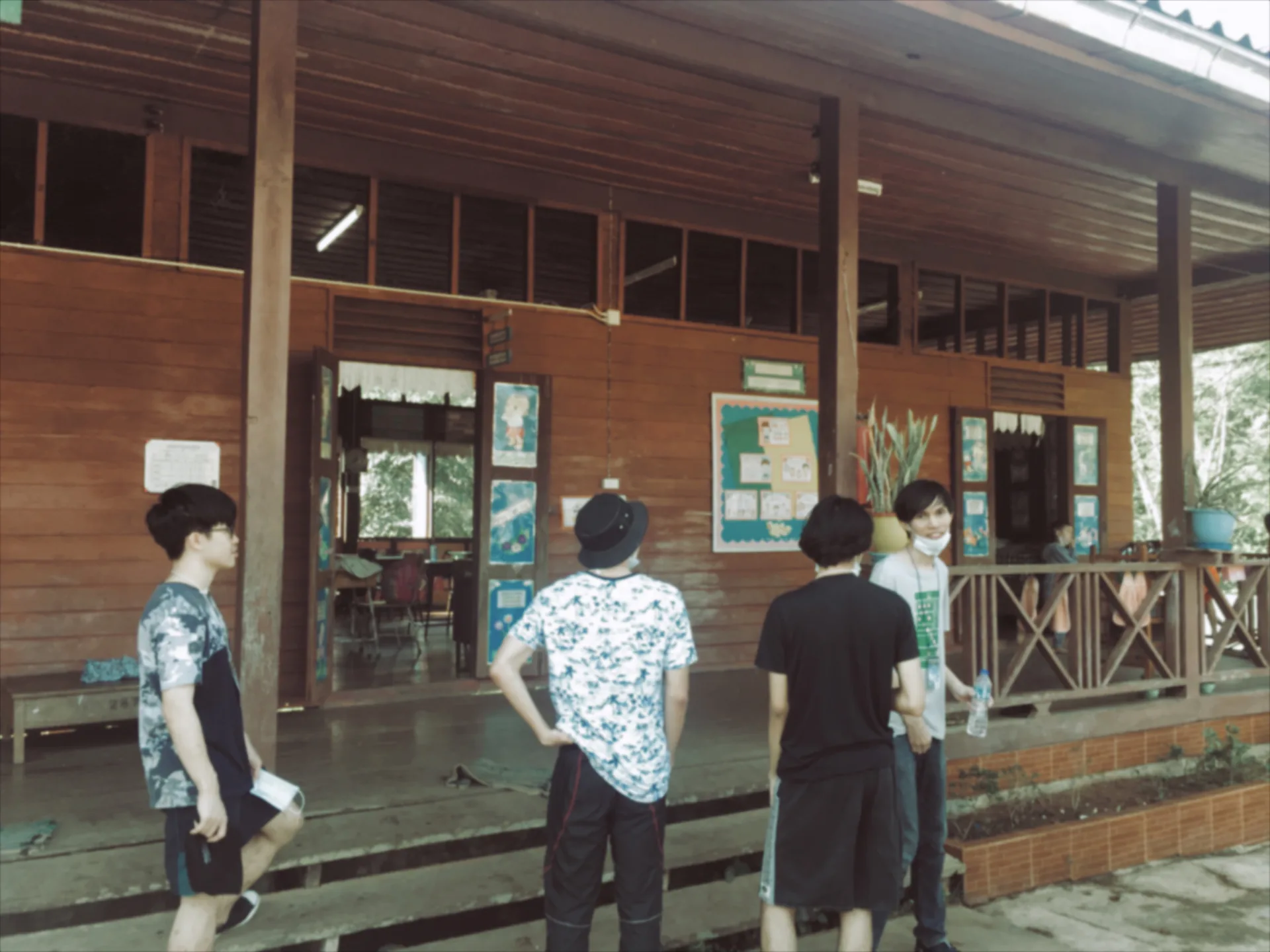
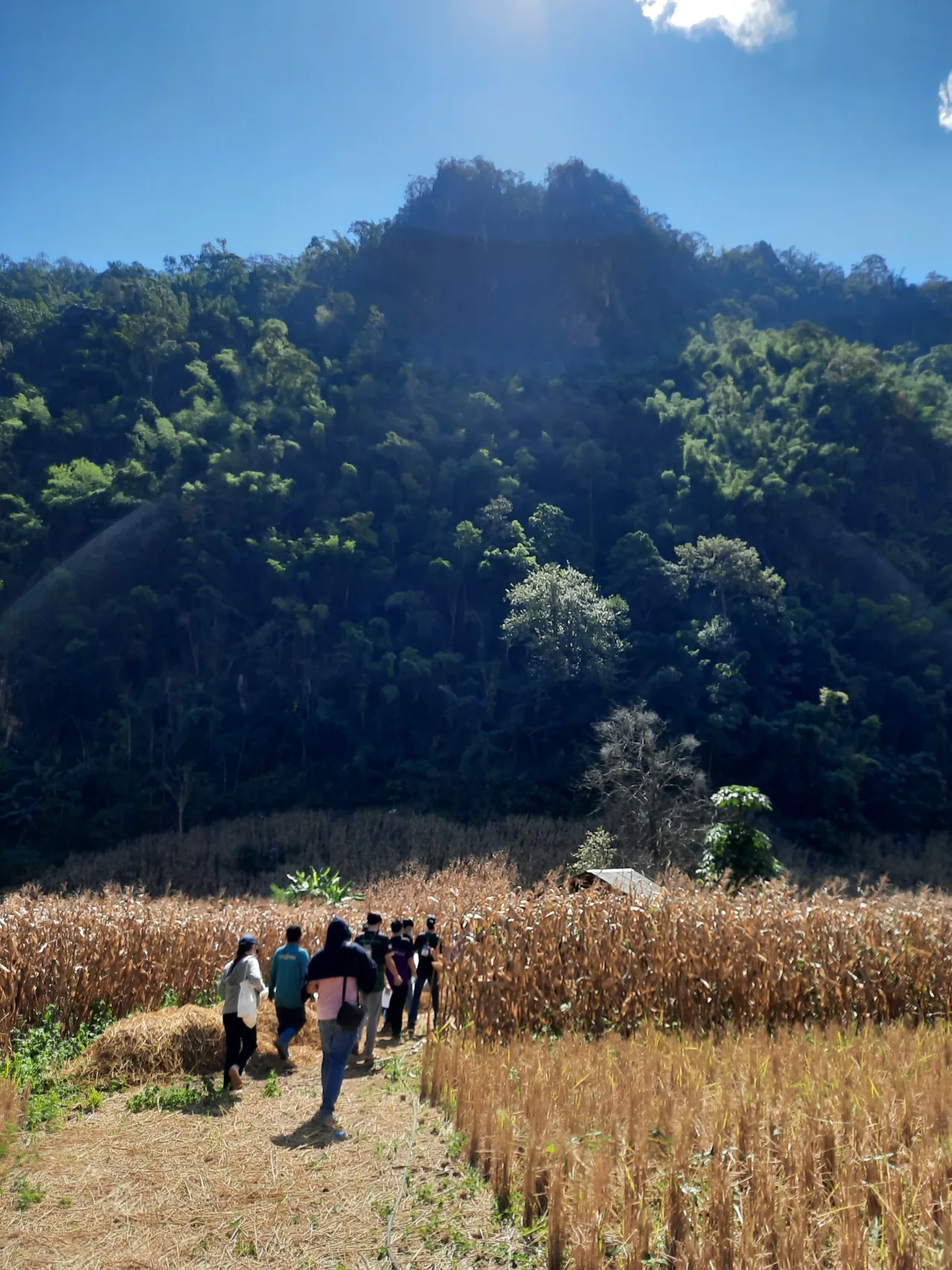
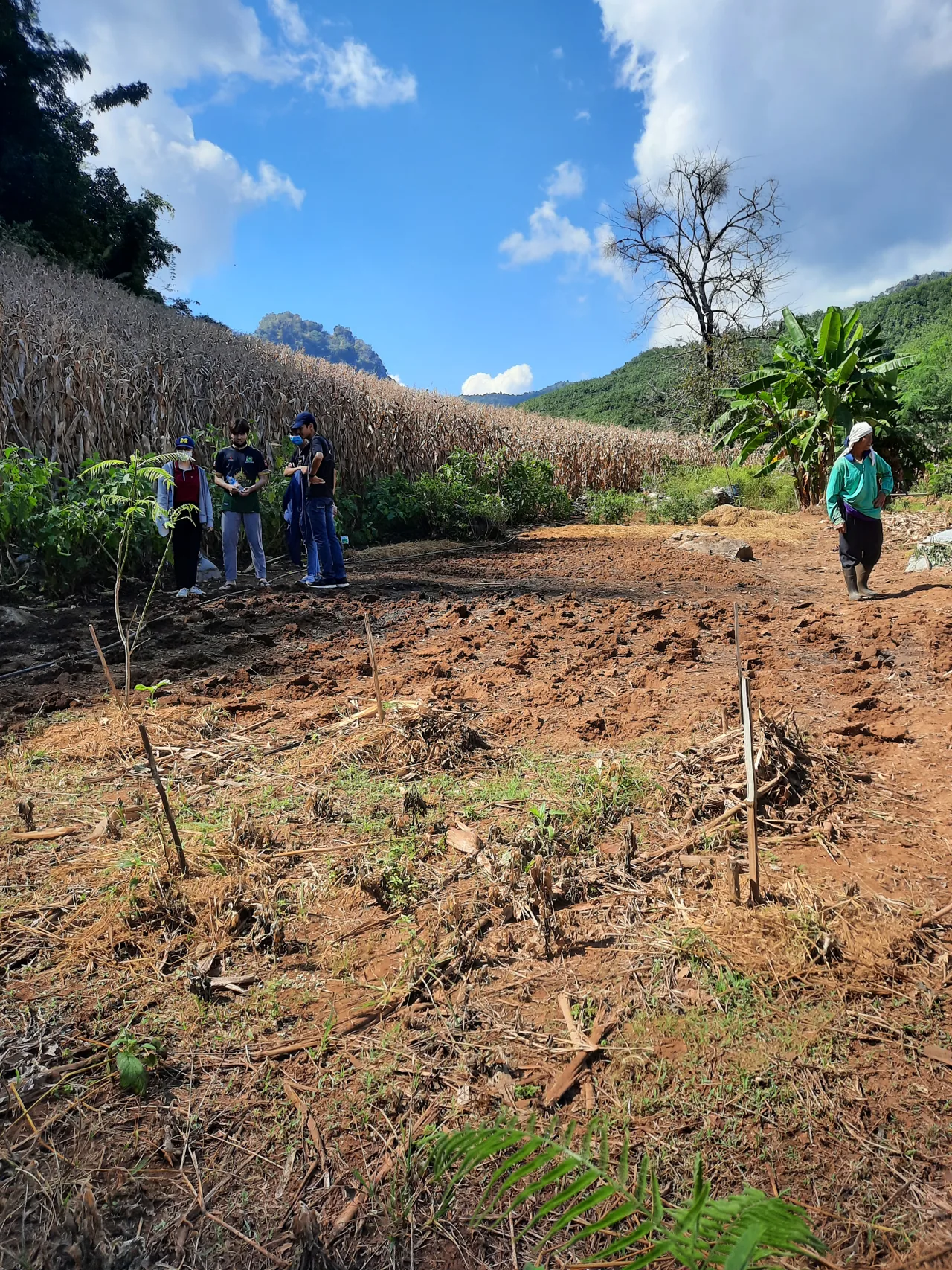
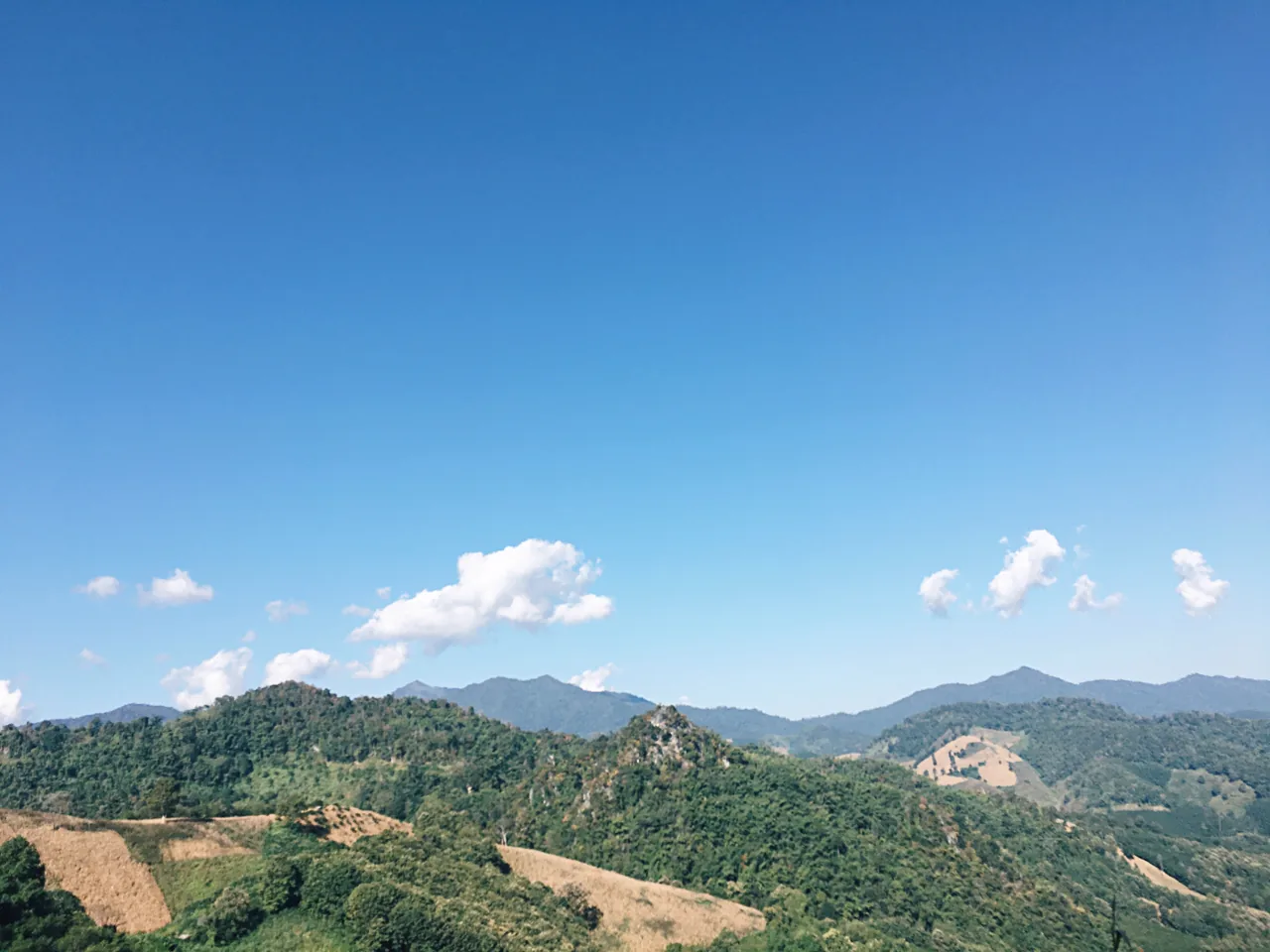
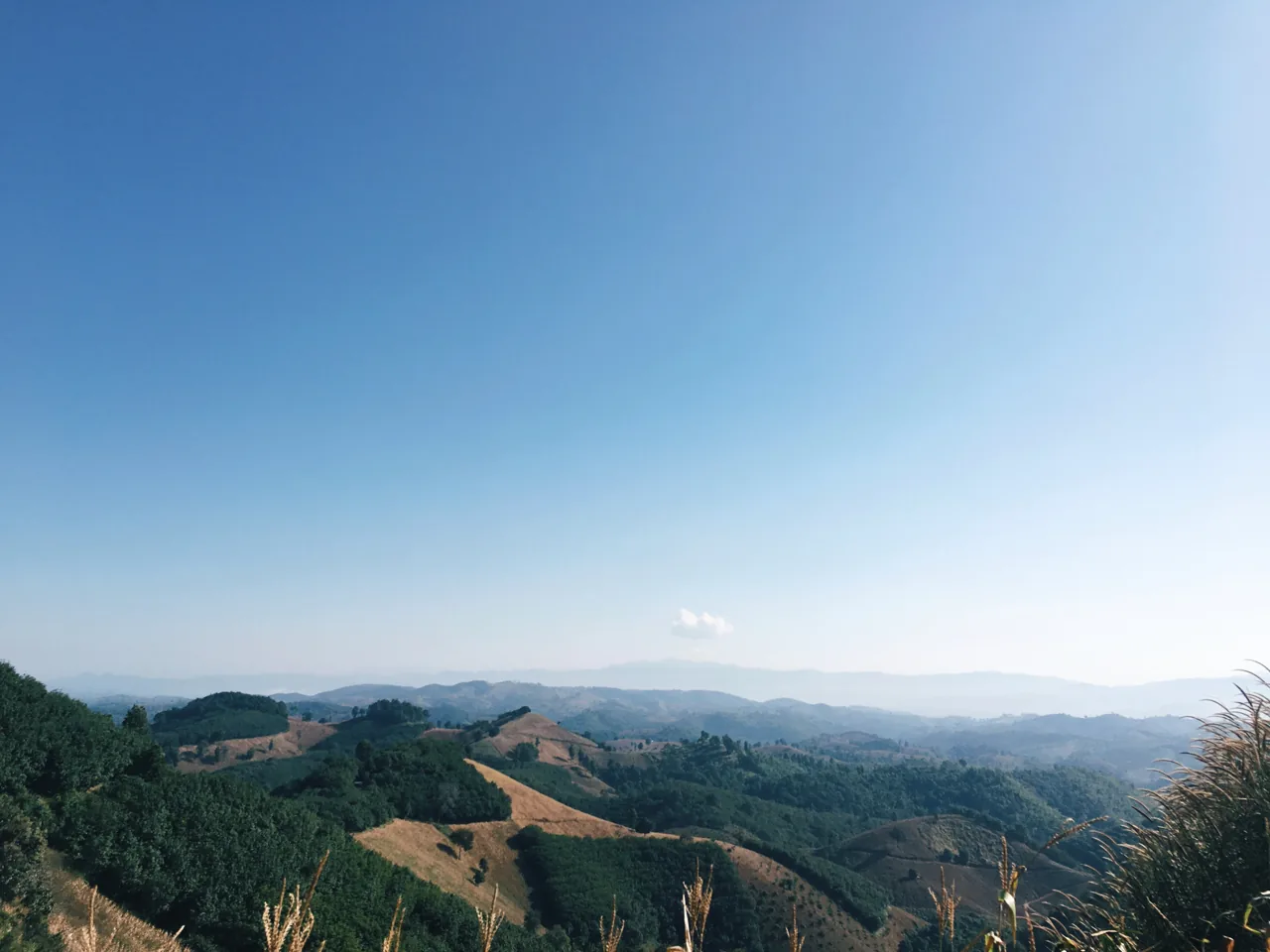
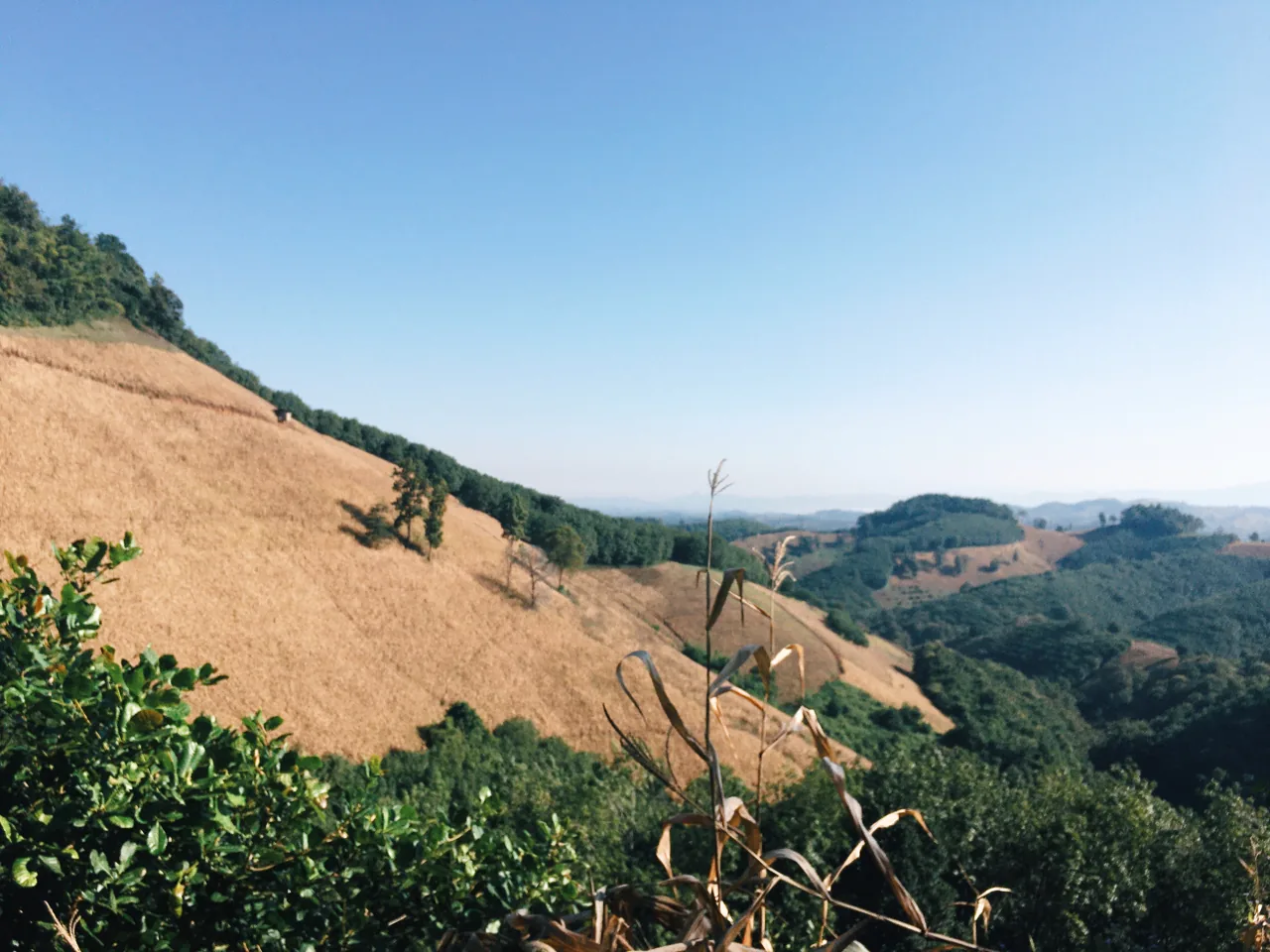
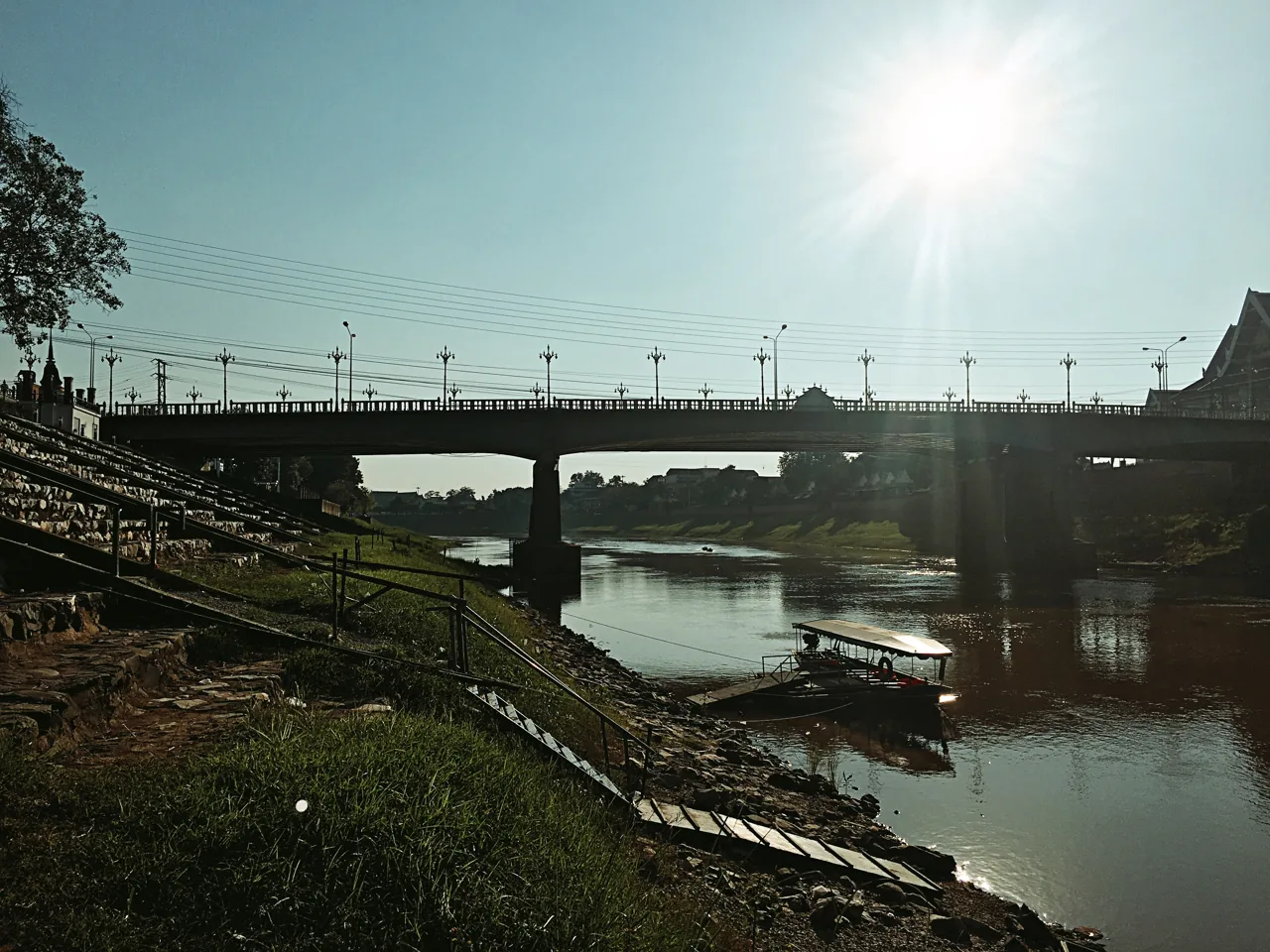
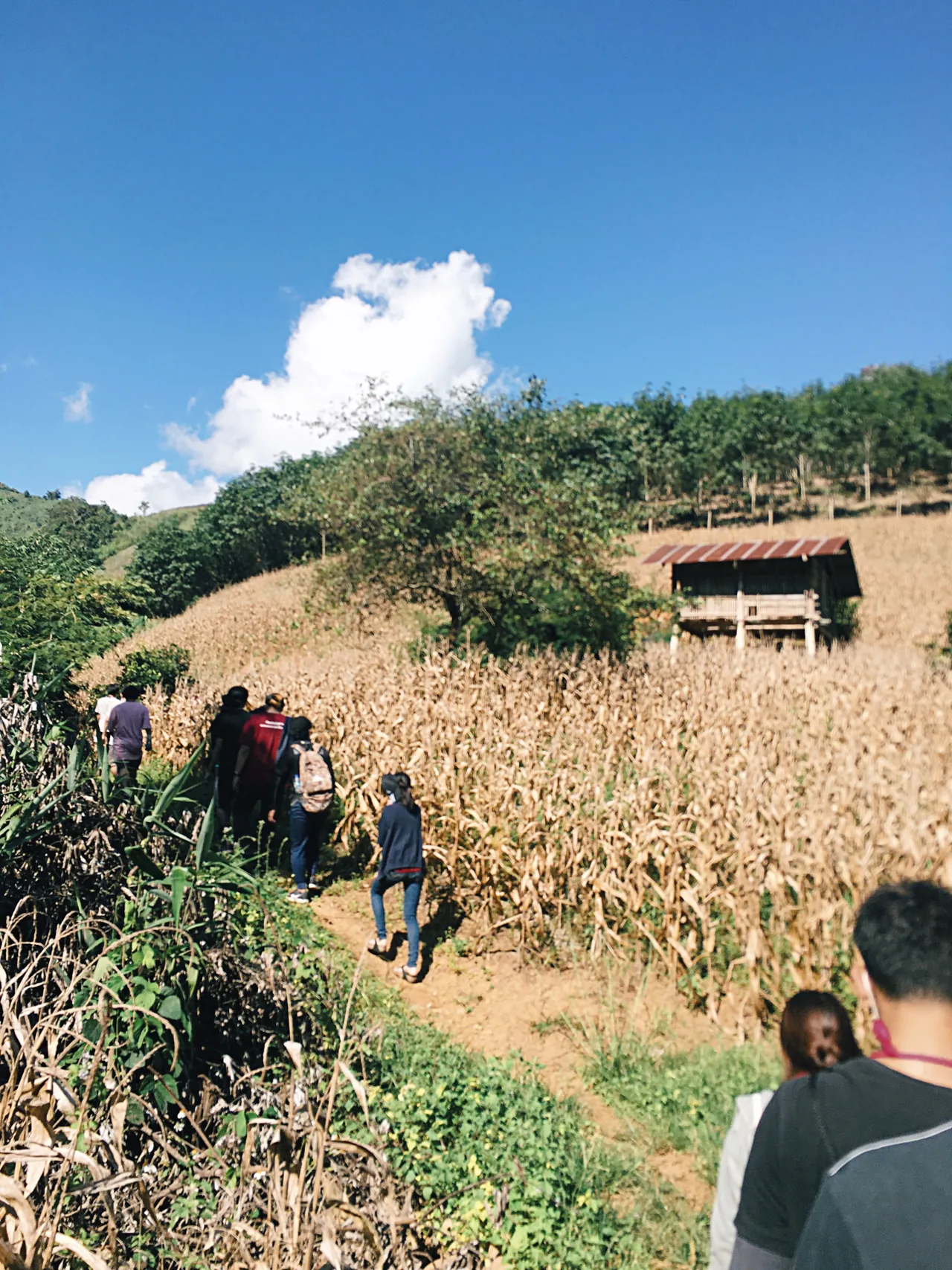
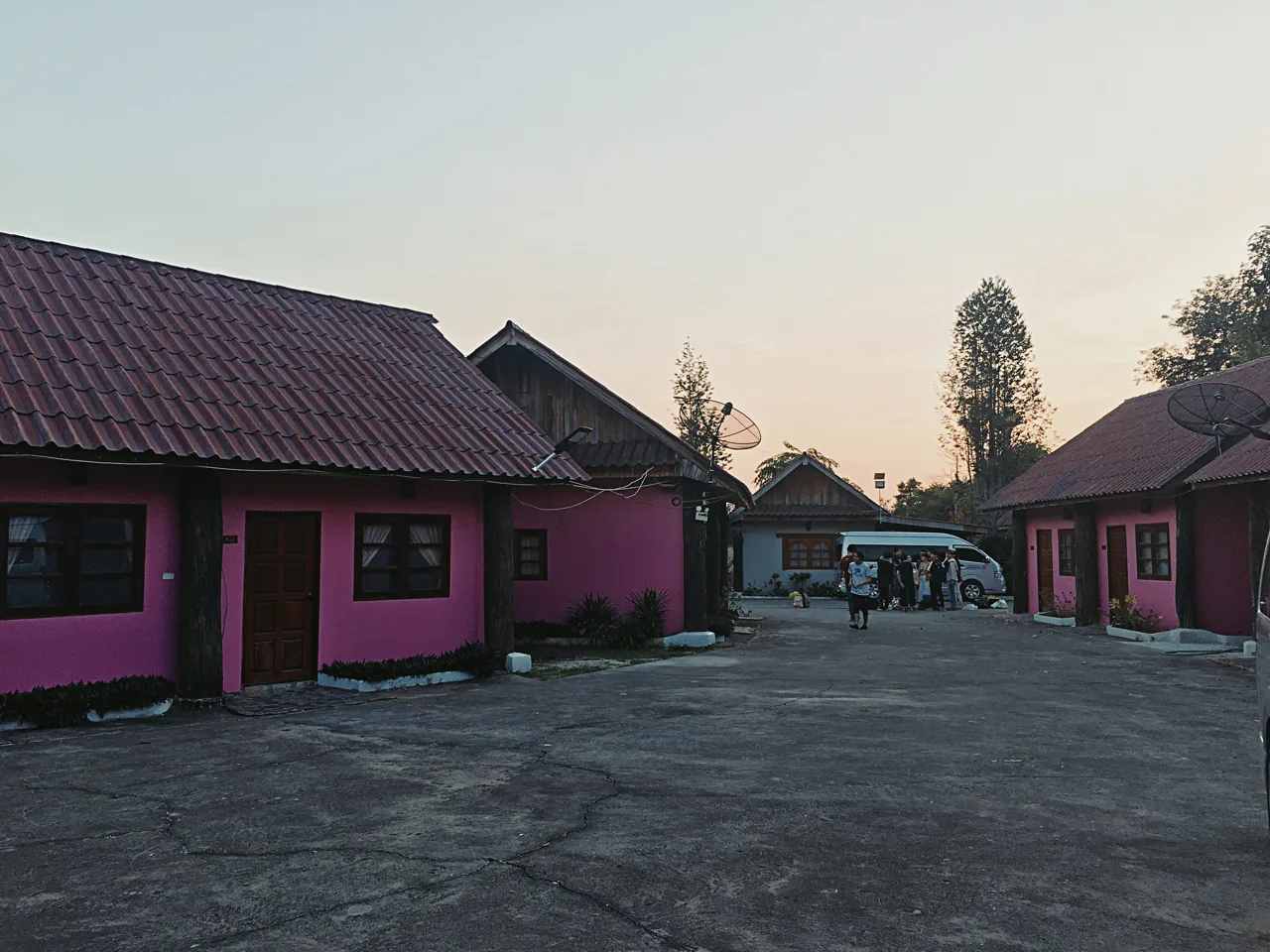
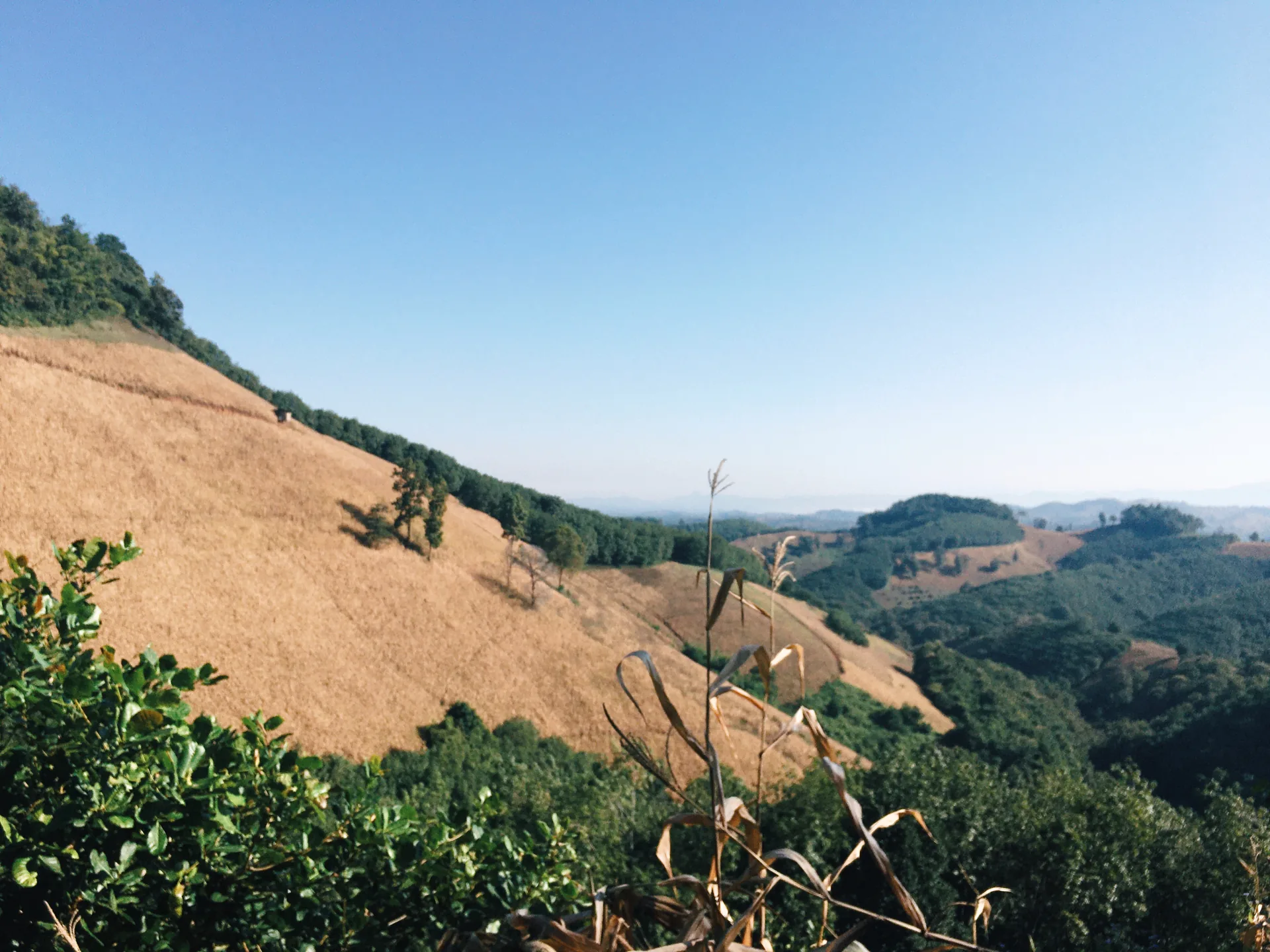
The archive records cultivated hillsides, water infrastructure and time spent with the group. It adds a view of the field setting to the project account.
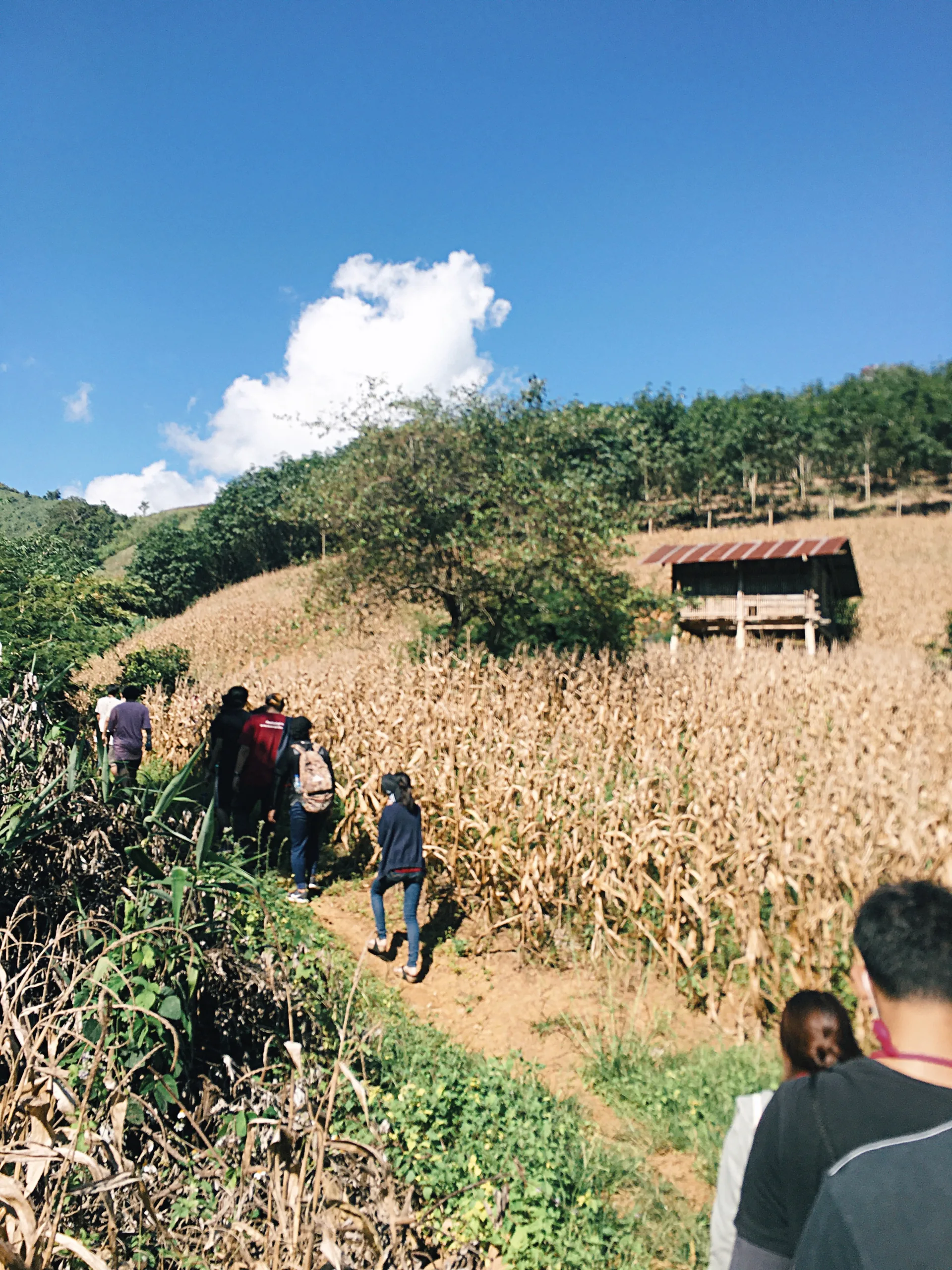
Photographs and video from the field, kept alongside their captions and dates.
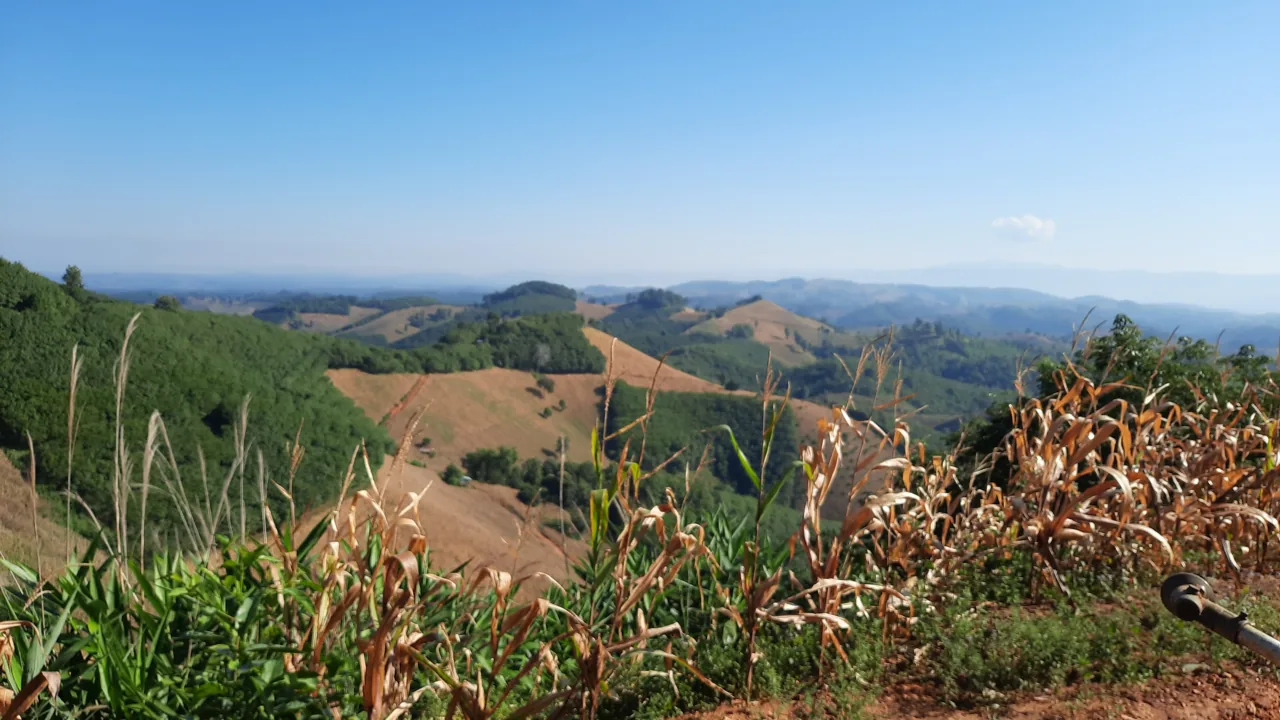
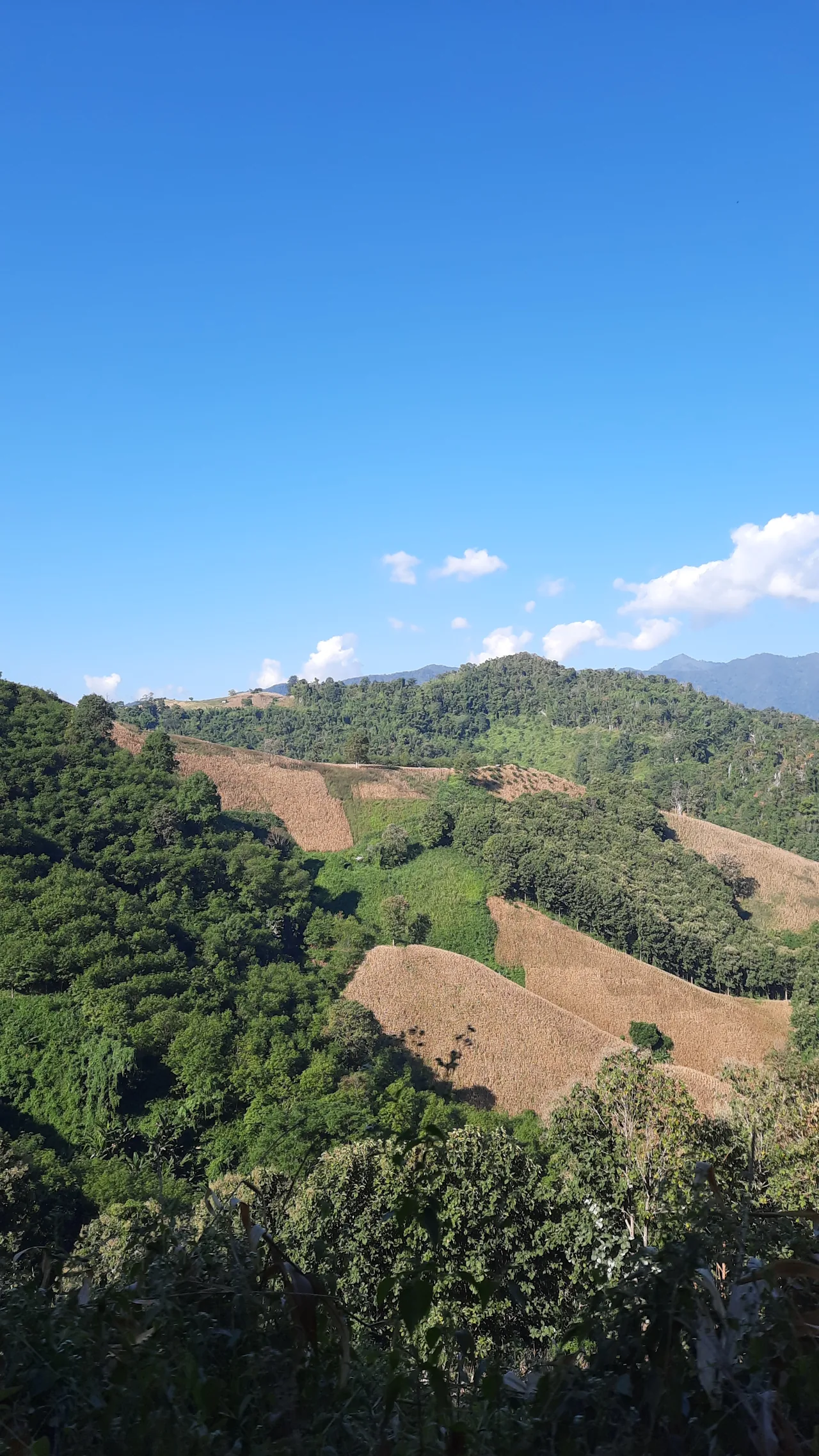
A film from the field archive, shown in its original frame.
Vidvapath field film · Plays muted; use the player controls to enable sound.
November 2020 dates come from filenames where present. Other photographs are undated. Captions describe what is visible; exact locations and identities have not been independently verified.
03 / Water, air and agricultural context
These datasets describe the wider context around the project. We include national water and agriculture statistics alongside historical city air-quality observations.
Thailand statistics and city observations are separate from the Vidvapath project outcomes above. No causal project effect is calculated.
Related research helps frame questions about water access, crop residues and farming. These sources do not document deployments at Vidvapath.
Water resilience Crop residue alternatives Food and water systems04 / Related research
We connect the project here with research on water access, crop residues and farming. The sources below inform questions for future work; they do not document deployments at Vidvapath.
Reliable supply changes the choices available to farmers. The university case study documents water infrastructure and crop diversification.
For future work: how does service reliability vary across seasons and households?
Faculty of Engineering, Chulalongkorn University Source detailsAQMx guidance calls for a local baseline and feasible residue-management alternatives before evaluating a no-burn intervention.
For future work: what labor, equipment and market conditions would make alternatives workable here?
AQMx / Climate & Clean Air Coalition Source detailsMIT Sloan's FSAS Initiative studies analytical decision tools and food and water safety technologies.
For future work: which locally chosen measurements could support agricultural and water decisions?
MIT Sloan FSAS Initiative Source detailsVidvapath / Early leadership and co-organization
Get in touch about our early involvement or the research linked on this page.
Start a conversation