
Clean air.
Shared futures.

Impact Intelligence Lab · Thailand

Impact Intelligence Lab / Clean air

01 — A shared challenge

Cleaner air begins with
a clearer picture.

Air pollution crosses boundaries. Our response needs to connect the evidence, the people affected, and the institutions able to act.

We bring a place-based view to Thailand's clean-air challenge. Explore the research, understand the financing context, and examine the connections between agricultural choices, resilient water systems and community action.

Understand the evidence

Explore the published record

From global observations
to local evidence.

Open the datasets, points and source notes behind the work. Each figure keeps its geography and period attached.

Open the research narratives & methods

Complementary global evidence / Modeled estimates & inventories

Connect exposure
with emissions.

These datasets answer different questions from monitoring stations. State of Global Air estimates population exposure and health burden; EDGAR estimates pollutant emissions by country and sector.

GBD 2023 estimates · global population

Air-pollution exposure, 2023

Reported in State of Global Air 2025. The PM2.5 exposure estimate is population-weighted and modeled; household air pollution is a separate exposure.

Estimated share of world population

PM₂.₅ above 35 µg/m³36%
Reported estimate
Solid-fuel cooking exposure33%
Approximate one-third, shown as about 33%
≈2.6bnSolid-fuel cooking exposureAbout one-third of the world's population
95%NCD share of attributable deathsAmong adults over age 60

The exposure bars share a population denominator but describe separate risks that may overlap. The 95% figure has a different denominator: air-pollution-attributable deaths among adults over age 60.

State of Global Air 2025, HEI / IHME ↗
EDGAR v8.1 · modeled inventory

Global air-pollutant emissions

Country and sector time series cover 1970–2022. Inventory totals are emissions estimates, not ambient concentrations, monitoring readings, or direct health impacts.

PM₂.₅PM₁₀BCOCNOₓSO₂CONH₃NMVOC

EDGAR excludes large-scale biomass burning, forest fires, and LULUCF sources and sinks. Country totals use kt/year; sector codes follow IPCC categories.

Open the EDGAR v8.1 inventory and downloads ↗

Clean-air research dashboard

Loading air observations, finance and evidence…

Thailand, ASEAN & the world / Curated landscape

People, initiatives
and documented links.

Browse the reviewed ecosystem points and relationships. Representative project locations are not monitoring stations or surveyed project boundaries.

Open the full map explorer

Clean-air research dashboard

Loading the clean-air map points…

Map records and filters are drawn from the reviewed clean-air landscape snapshot. WHO city observations do not receive inferred map coordinates.

Vidvapath / Thailand national context

Water, food
and local possibility.

World Bank and FAO indicators are national context, separate from the Nan case study and city-level air observations. Water-service outcomes do not establish reduced burning or improved air quality.

Read the Vidvapath field story

Clean-air research dashboard

Loading Vidvapath indicator series…

02 — From evidence to action

See how the pieces connect.

A research-led view of clean air, with the source behind every claim.

03 — Community case study / Nan, Thailand

Resilient water.
More room to act.

Vidvapath brings engineering students and community members together around water access in Nan. Read how we led and co-organized the project in its early days.

The university's case study reports that the 2022 Huai Tang Ho water infrastructure serves 43 households and approximately 200 rai year-round. These are water-service outcomes, not measured reductions in burning or emissions.

Documented outcome / 2022
43households
~200rai served
Read the university case study
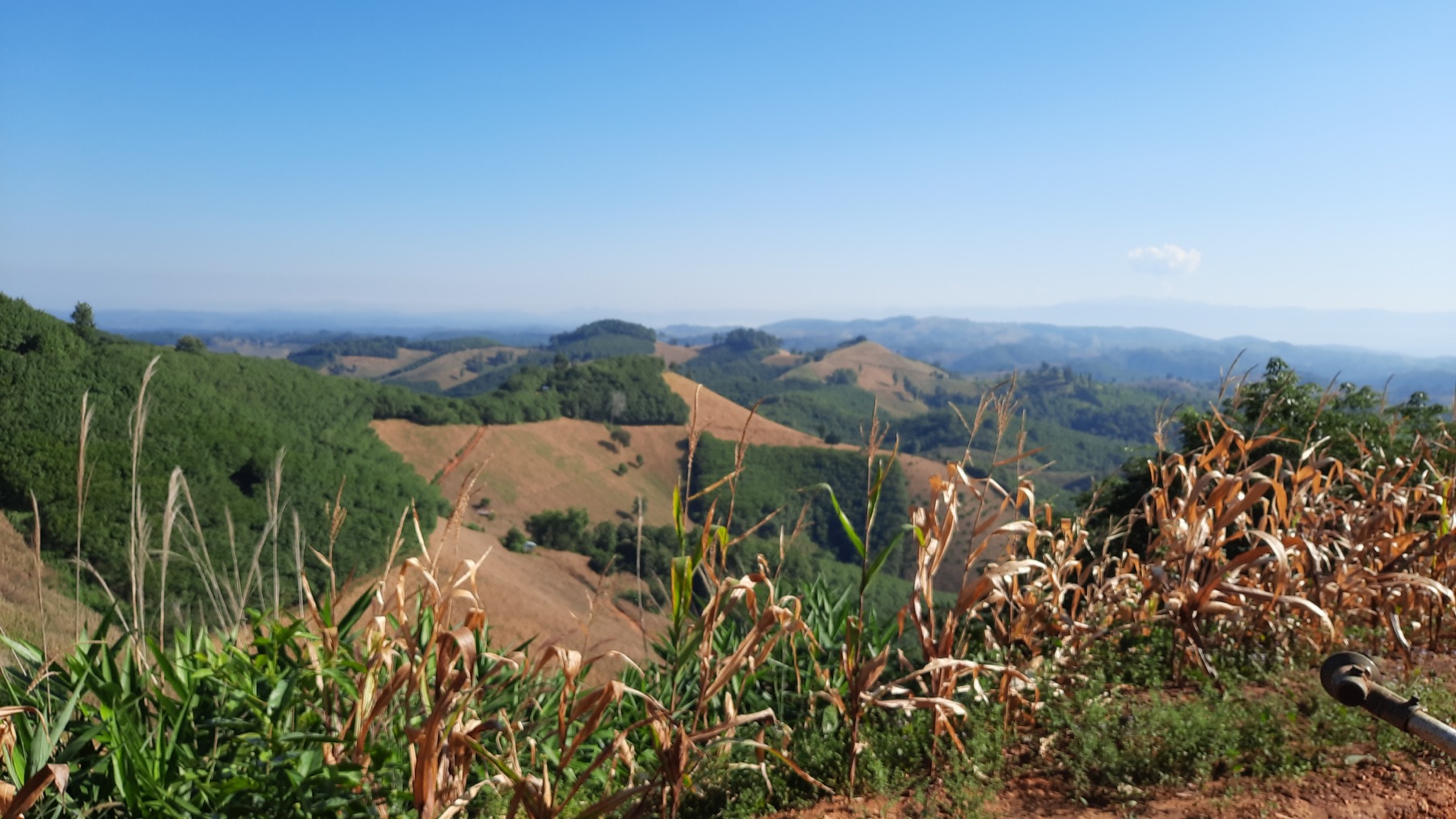
A patchwork of cultivated hillsides and woodland, with crop residues in the foreground
From the supplied VIC field archive. Location and date have not been independently verified.

04 — Build the next step together

Shared evidence.
Collective action.

For communities, researchers, institutions and funders working toward cleaner air.

Find your way to contribute